A mix engineer's honest answer to the elusive car test.
Every mixer has lived this exact night. You finish a mix, you're proud of it, you bounce it, and you drive to the parking lot to do The Car Test — audio's most sacred and least reliable ritual. The bass hits like a marshmallow. Or it hits like a wrecking ball. Somehow it's never "correct," and somehow it's a different flavor of wrong every single time. You go back, you EQ the low end again, you drive back out, and the cycle repeats until you've burned an entire tank of gas chasing a frequency response that was never broken to begin with. Let's save you the gas money: the car isn't lying to you. Your room lied to you first, and the car is just where you finally notice.
You've been mixing bass you can't actually hear correctly
Here's the part nobody wants to hear: in most home studios, the low end at your mix position isn't the low end the track actually contains. Room modes — the reinforcement and cancellation patterns created by your room's own dimensions — boost certain bass frequencies and cancel others, and they do it at your exact listening position, not evenly across the room. So when you boost 80Hz because it "sounds thin," you might be compensating for a null that exists only in your chair, three feet from where it actually sounds fine. Congratulations, you've just built a mix that's correct for a location in space that no other human being, including you in the car, will ever occupy again.
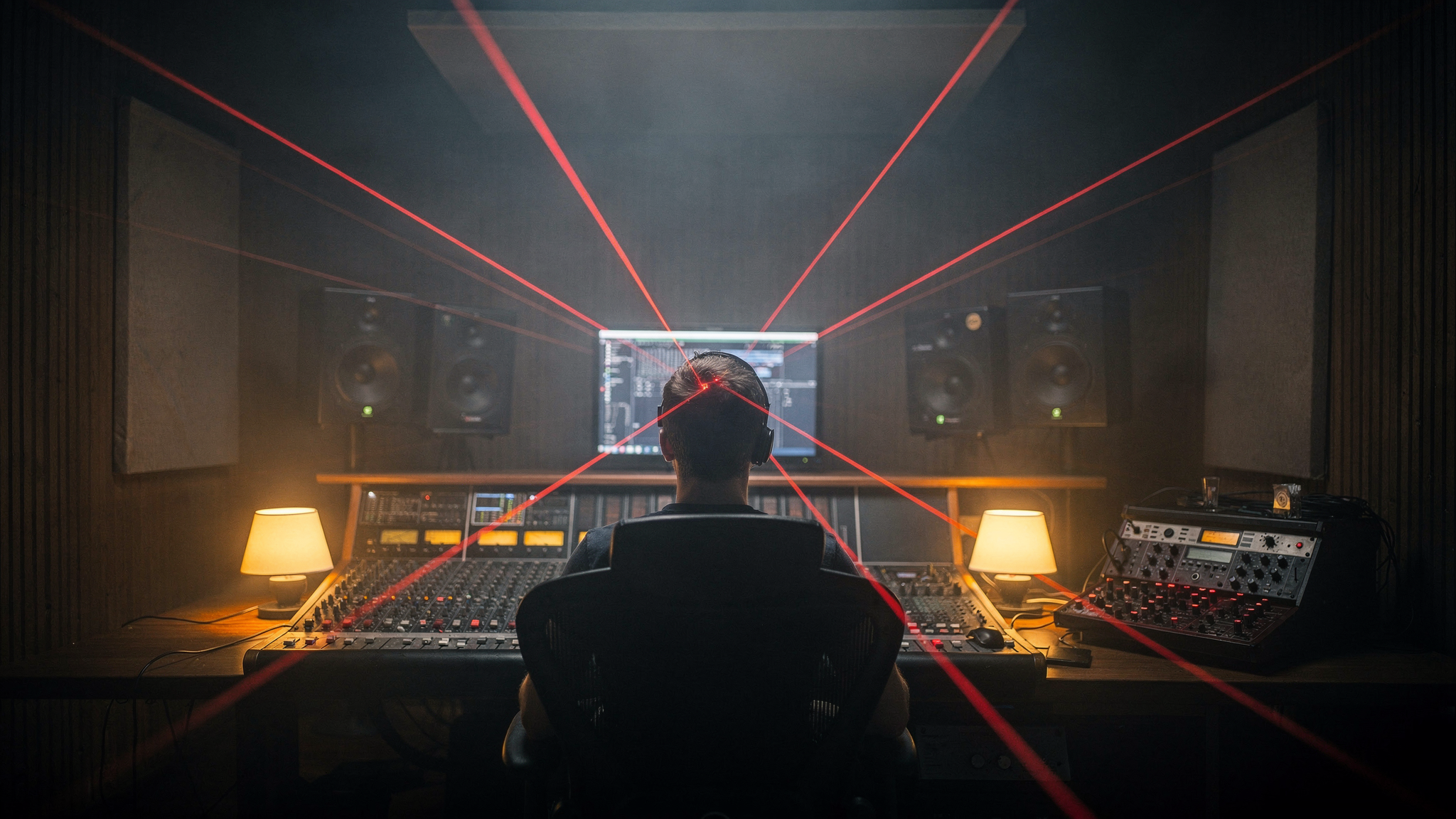
You didn't overcompensate for bad bass. You compensated for bass that was never actually there.
Near-field monitoring makes this worse, not better
Close monitor placement is supposed to reduce the room's influence by keeping the direct sound louder than the reflected sound. It helps — it does not fix the fact that low frequencies are long enough in wavelength that they build up in the room almost regardless of how close you sit. Sitting closer to the problem doesn't make the problem smaller; it just makes you more confident about a number that was already wrong. Confidence is not the same thing as correctness, a distinction that has ended more mixing careers than bad gear ever has.
Then you get in the car, which has its own list of problems
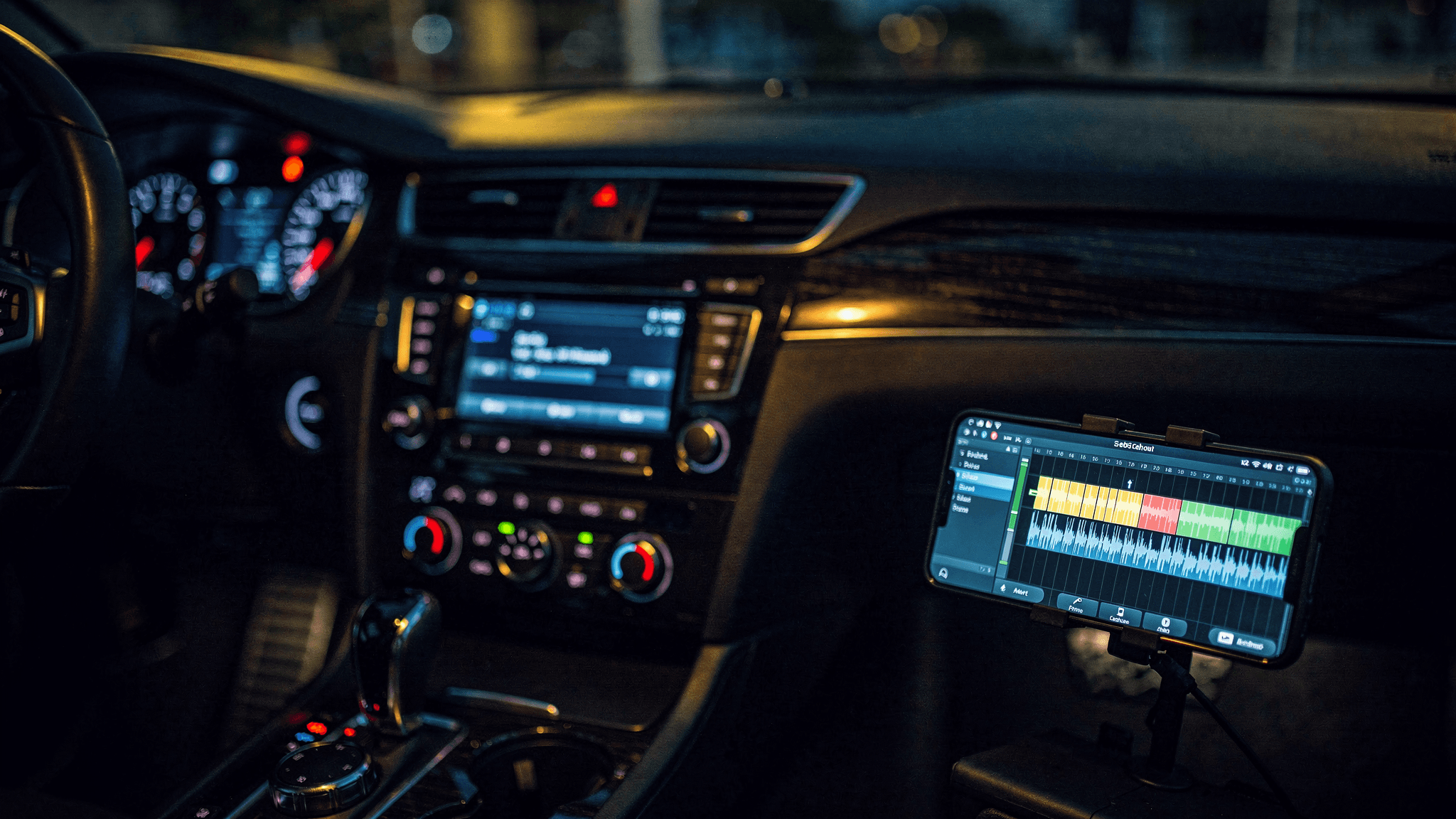
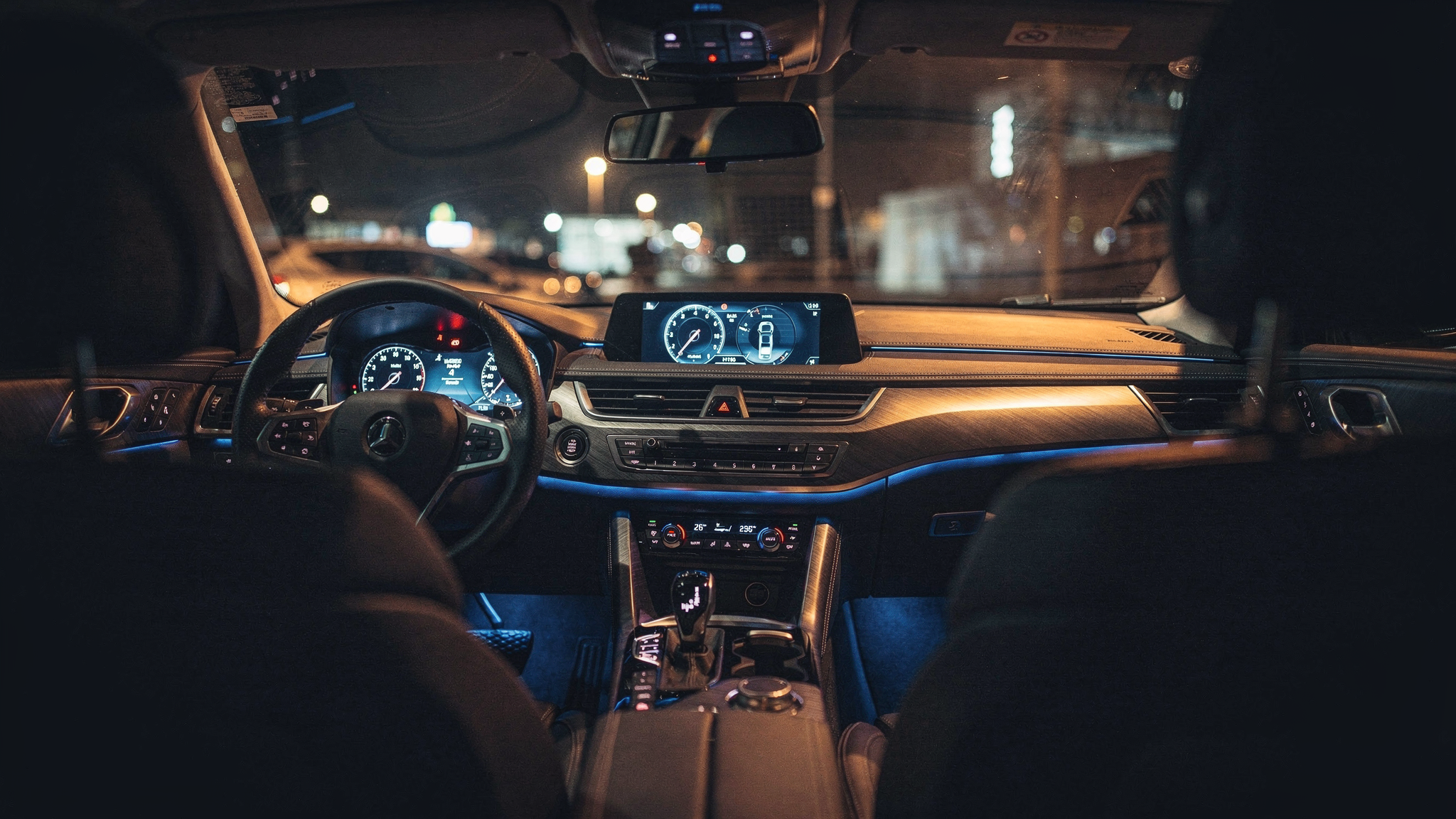
Now for the part that actually happens in the vehicle, because yes, cars have real acoustic issues of their own. A car cabin is a small, mostly sealed box with hard glass surfaces, curved metal panels, and a driver's seat that sits nowhere near the acoustic center of the space. It has its own room modes, just miniaturized and violent, plus engine noise, road noise, and a stereo system tuned by an OEM audio engineer whose job was "sound exciting in a showroom," not "translate a mix accurately." A car is, acoustically, a worse environment than your studio in almost every measurable way. And yet it exposes your mix's flaws instantly, every time, without fail. Why? Because the car isn't trying to be accurate — it's just consistent, loud, and different enough from your room that whatever your room hid from you, the car reveals. It's not a fair fight. It was never supposed to be one.
The actual fix happens before you ever start the car
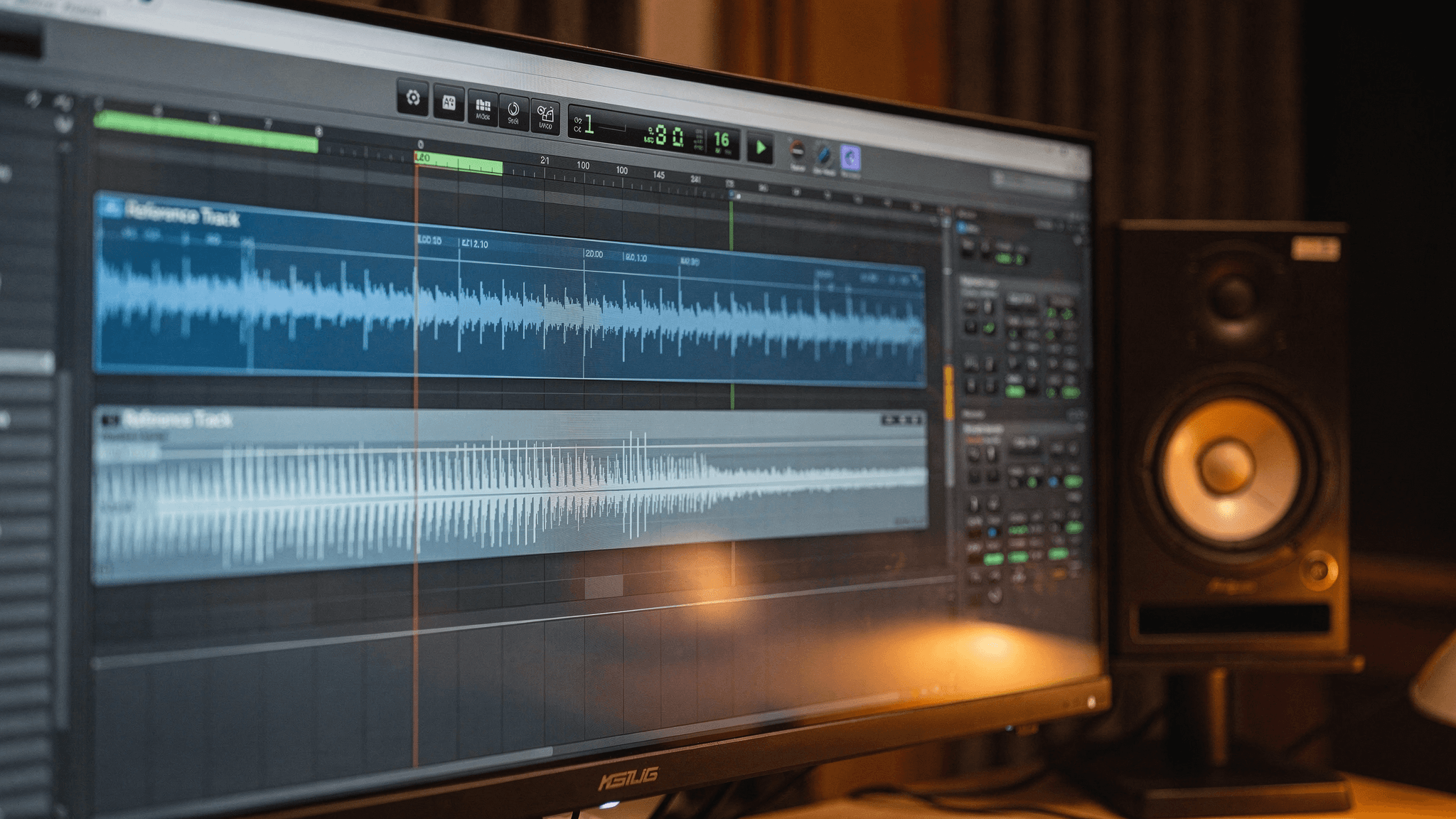
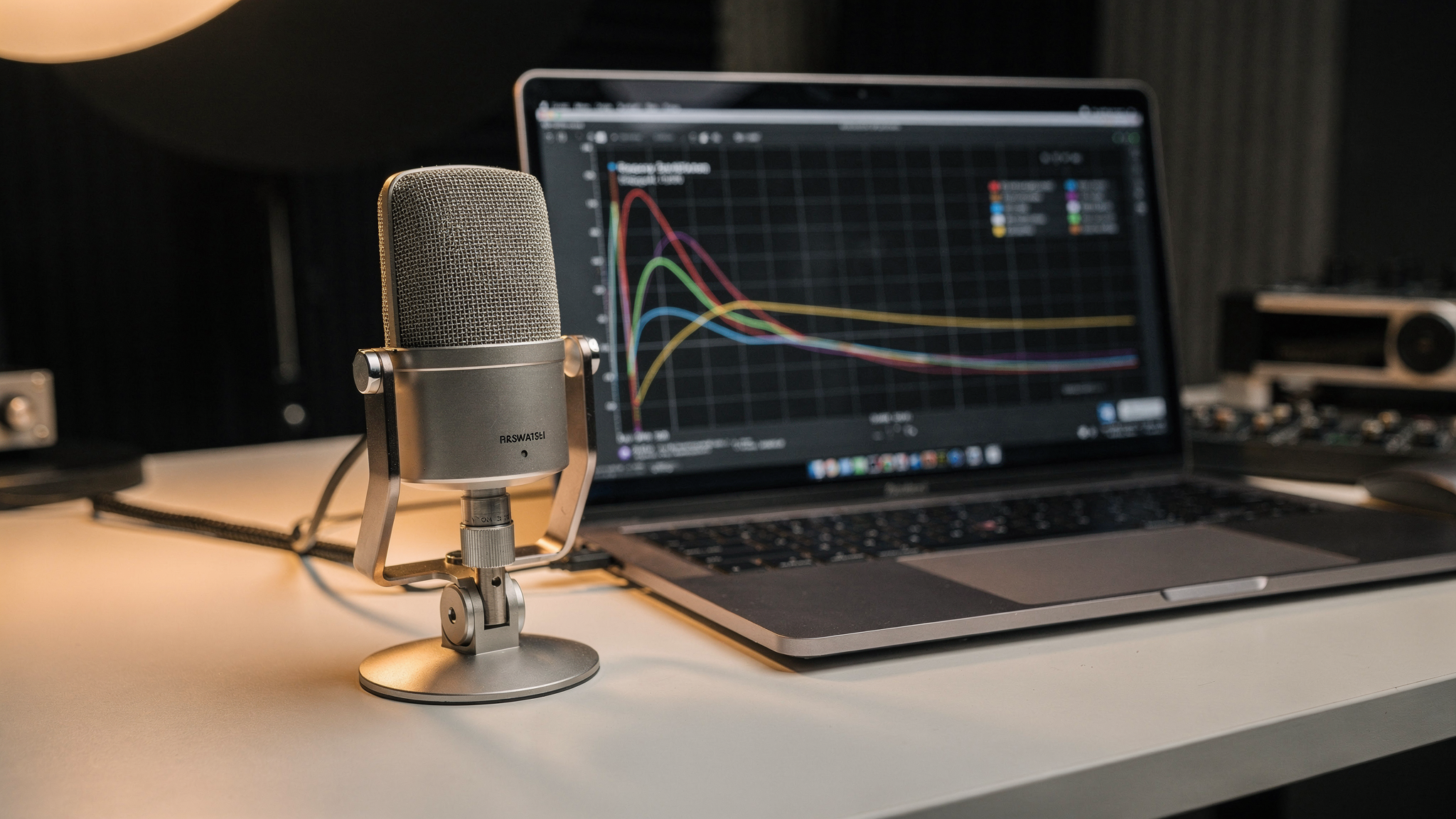
You cannot EQ your way out of a room problem by ear, because the ear doing the judging is the same ear being fooled by the room. That's not a flaw in your hearing — it's just physics doing what physics does. The fix is to remove the guesswork before you touch a fader: measure your room's actual low-frequency response with a calibrated mic and free software like Room EQ Wizard, so you know where your peaks and nulls actually sit instead of guessing from a chair. Treat the obvious offenders — corners, especially — since bass energy piles up there more than anywhere else in the room. And keep a small rotation of reference tracks you know intimately, played back at your mix position, so you have a known point of comparison instead of trusting a memory that room modes have already been quietly editing for years.
Stop blaming the car
The car test isn't broken. It's doing exactly what it's supposed to do: telling you the truth in an environment different enough from your room that the lie doesn't survive the trip. The real fix isn't a better car stereo, and it isn't yet another EQ pass at 2am in the parking lot. It's making sure the room you mixed in told you the truth the first time, so the car has nothing left to expose.