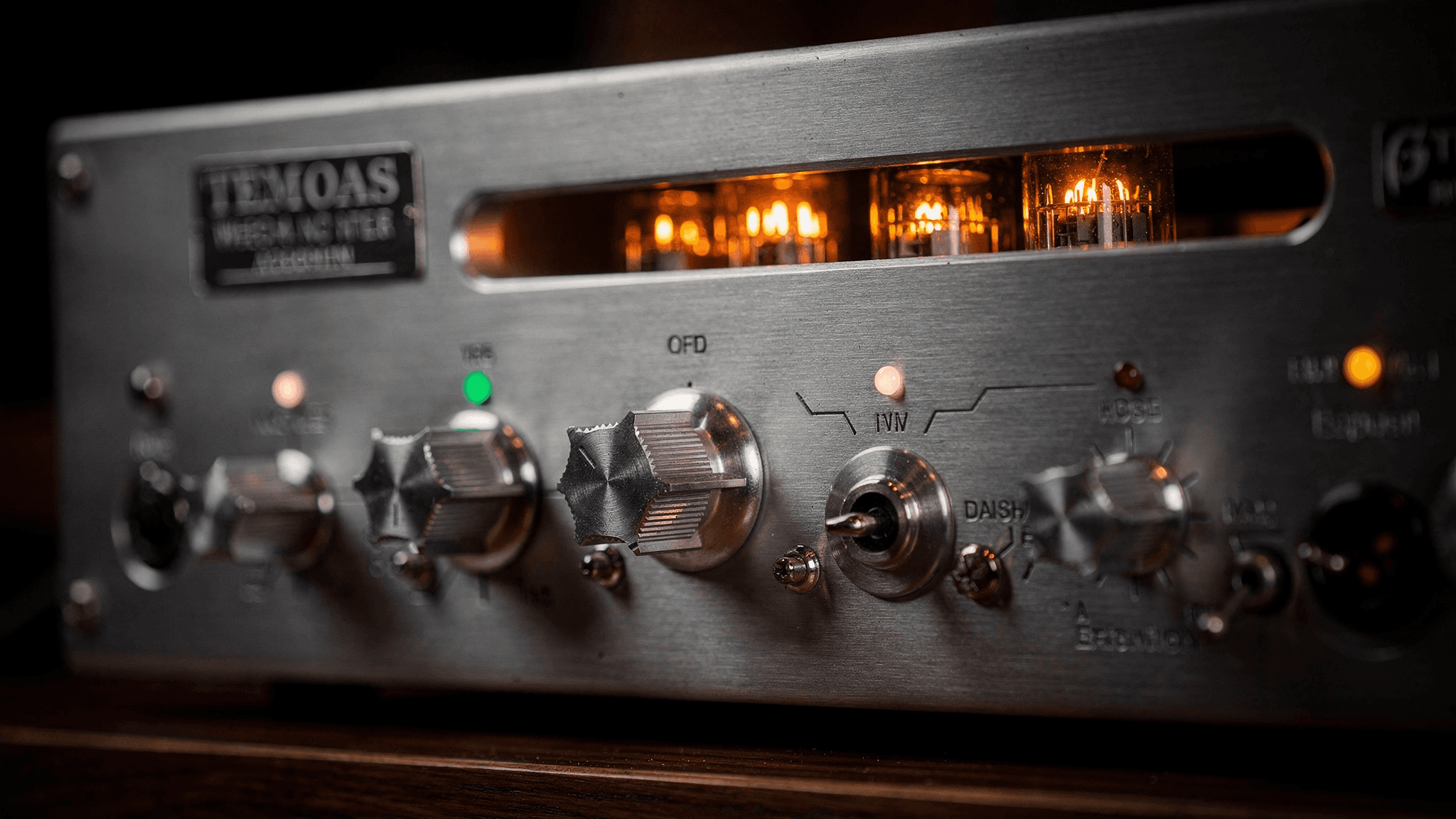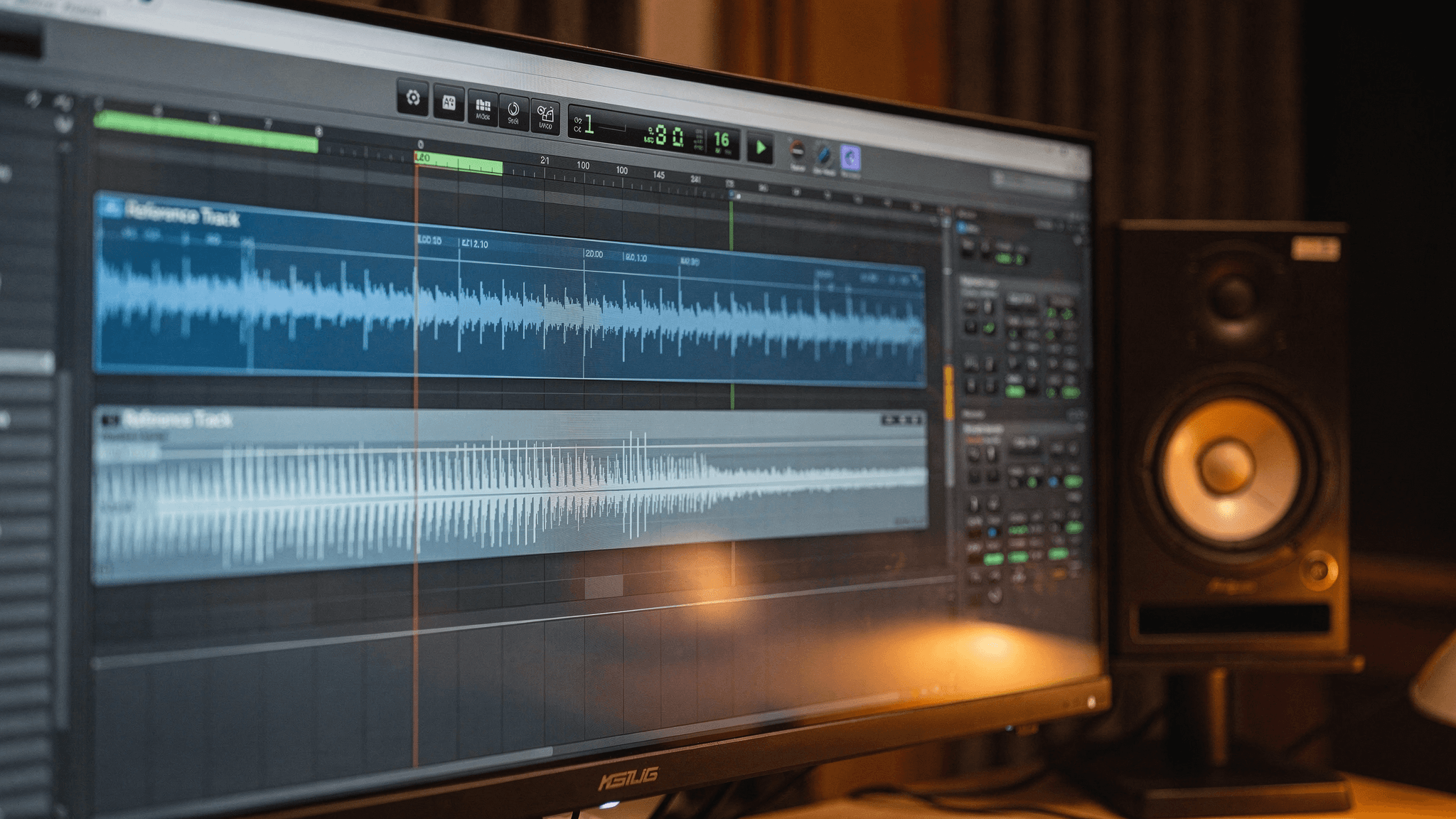
Every monitor, no matter how well designed or how carefully placed in a treated room, has a signature. It reveals certain things and hides others. A monitor optimized for flat, extended low end will make a boomy mix impossible to miss and a genuinely great mix sound fantastic, but it can also mask upper-midrange harshness that becomes obvious on cheaper, brighter speakers. A monitor with a forward high end will catch harsh sibilance instantly but can trick you into pulling back top end that's actually fine everywhere else. No monitor lies exactly the same way twice, which means one monitor, by itself, can only ever tell you a partial story.
Agreement is the actual signal you're looking for
The real value of a second (or third, or fourth) reference system isn't that any one of them is "more accurate." It's that when a mix decision holds up across systems with genuinely different flaws, you've found something real. If your low end sounds full on your main monitors and also translates on a completely different speaker with a different bass response, that's a decision you can trust. If a mix only sounds right on one system and falls apart everywhere else, you haven't finished the mix — you've tuned it to one specific monitor's blind spot, which is a very different thing.
One monitor tells you what it wants you to hear. Several monitors, disagreeing in different directions, tell you the truth.
Why this is hard to actually do
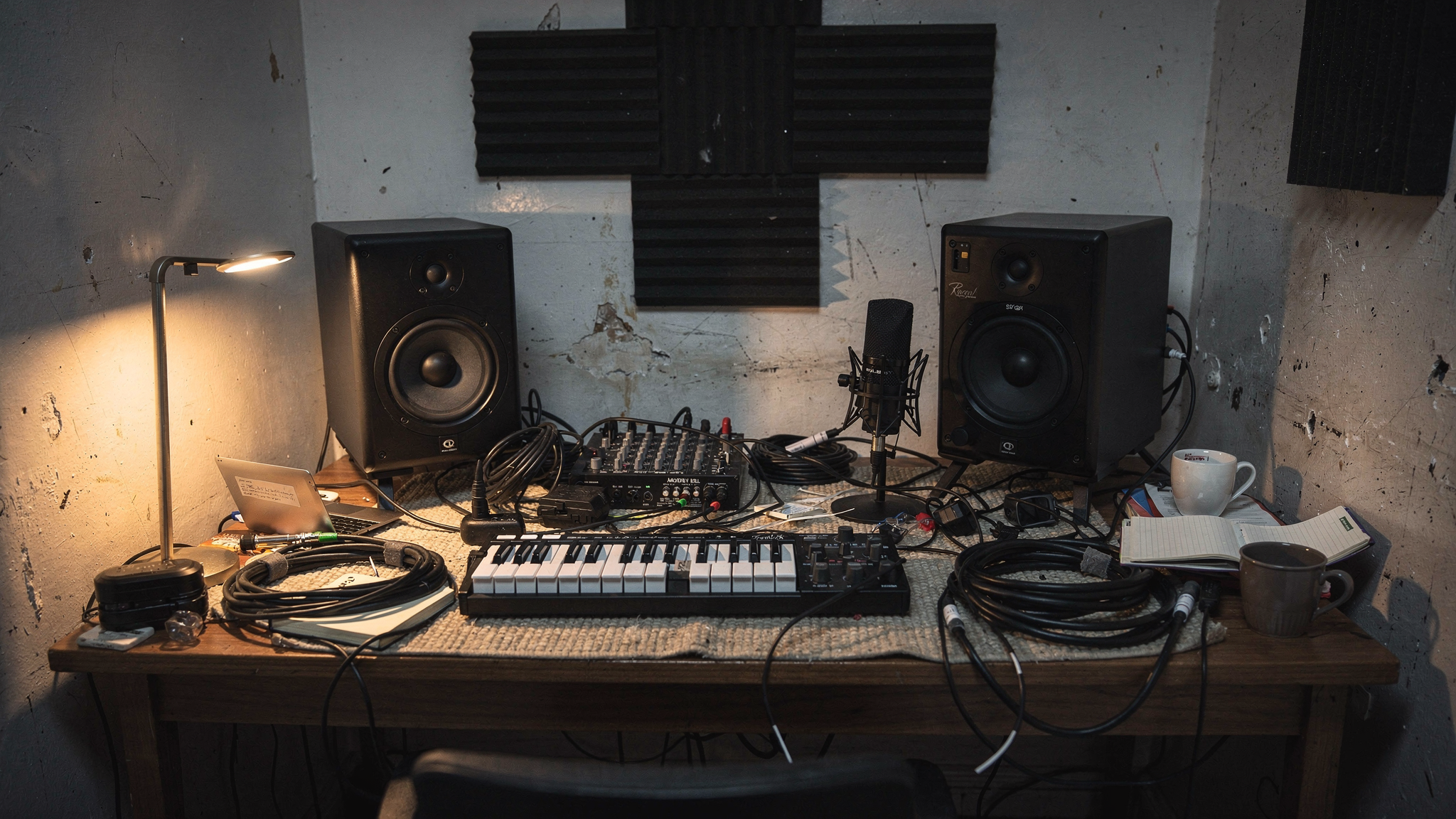
Here's the honest problem: building out a real multi-monitor setup is expensive and impractical for most people. A second full pair of studio monitors, properly placed and treated for, isn't a small purchase, and most home studios don't have the physical space to set up two or three complete monitoring systems side by side, let alone switch between them cleanly mid-session. Nobody's spare bedroom studio has room for a second monitoring rig standing politely off to the side, waiting its turn. This is exactly why so many mixers skip this step entirely and just trust one pair of monitors for the whole process, not because they don't know better, but because the realistic alternative is genuinely difficult to build.
The workaround: check across consumer devices you already have
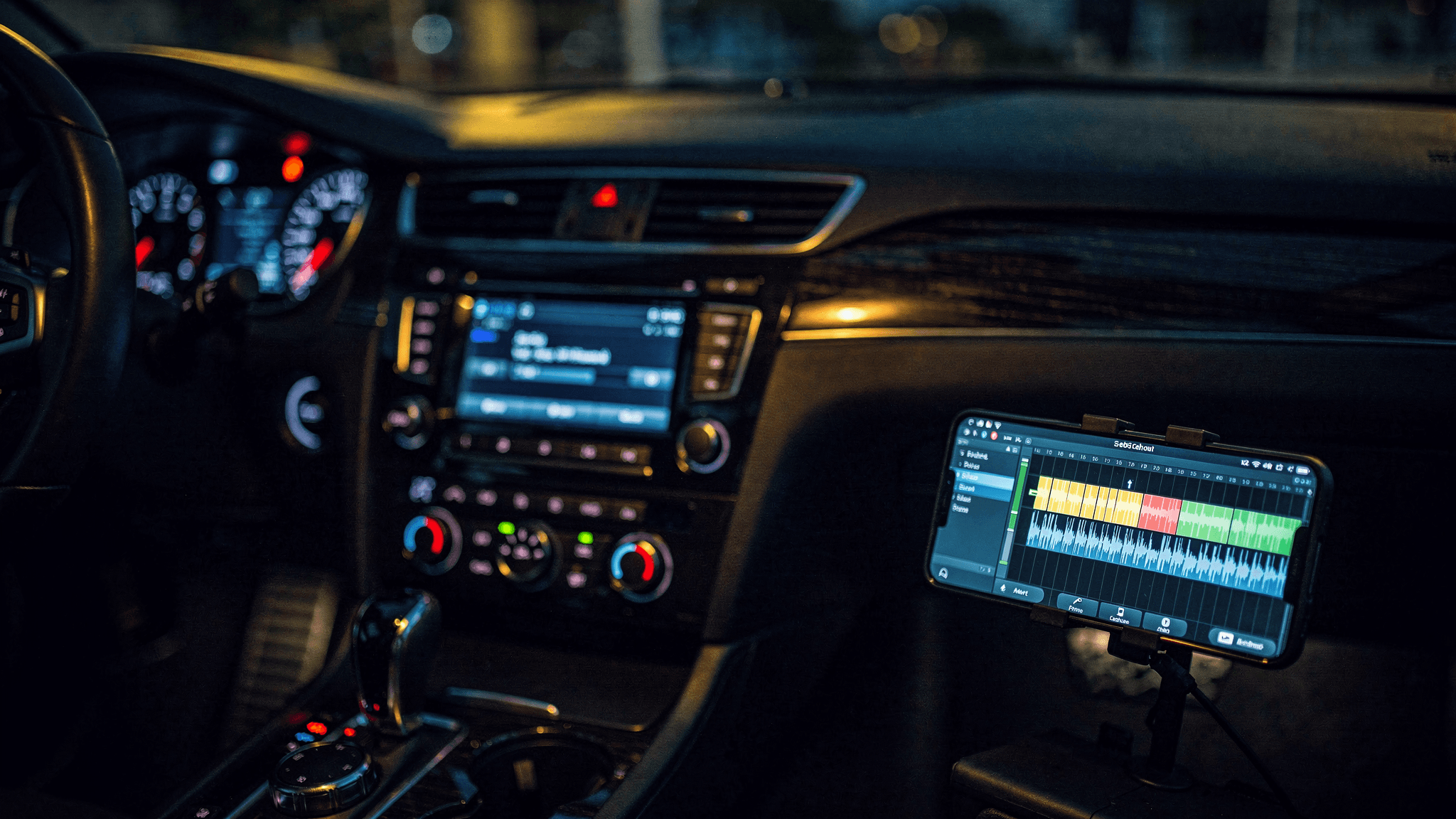
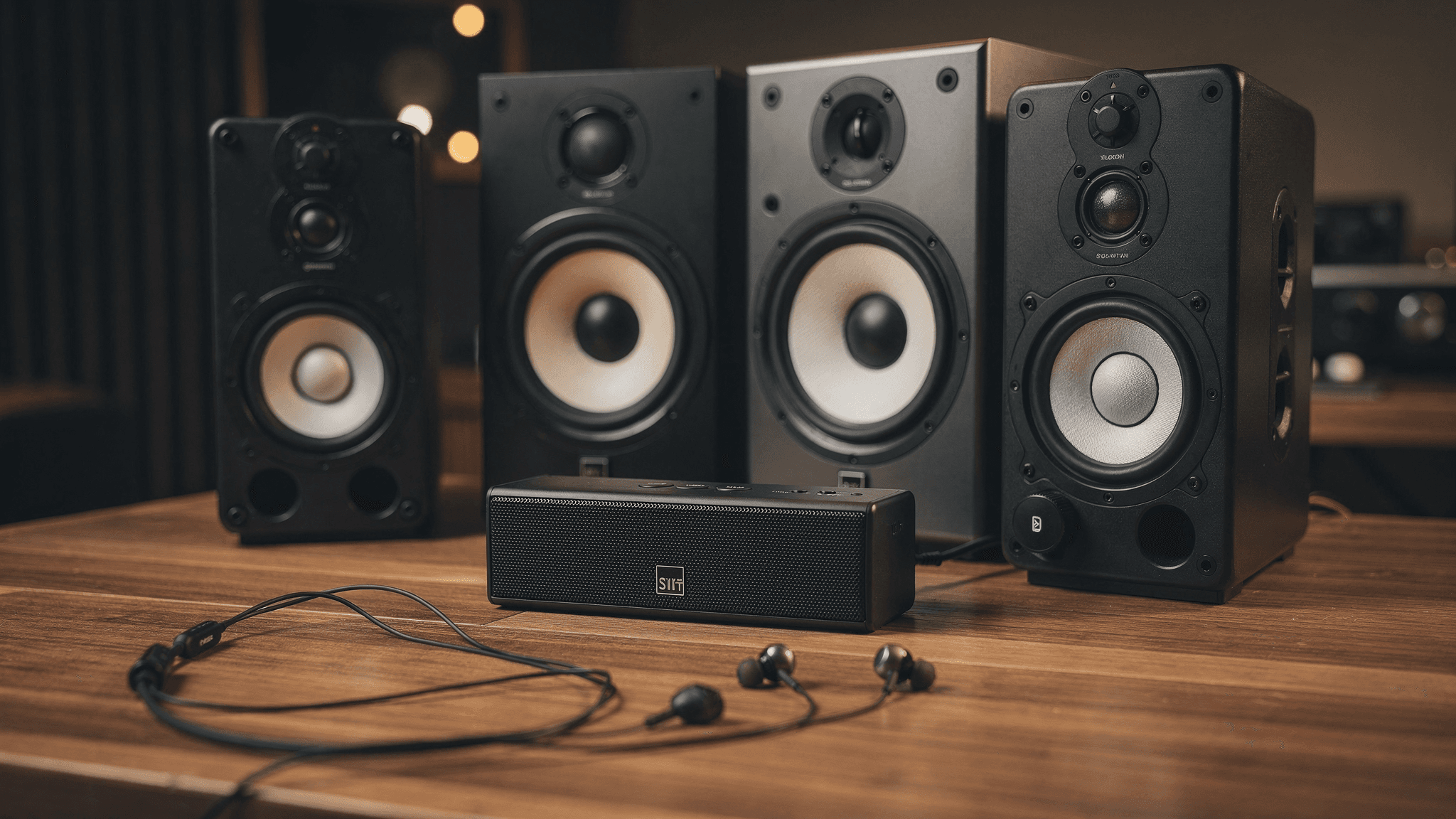
If a full second monitoring system isn't realistic, the next best thing is deliberately checking your mix across the playback systems you already own, treating each one as a rough stand-in for a different kind of listener. Your phone's built-in speaker will expose midrange and mono compatibility issues instantly. A cheap Bluetooth speaker will show you what happens to your low end on the exact kind of system most casual listeners actually use. Earbuds will reveal stereo width and high-frequency harshness in a completely different way than any speaker will. And the car, for all its own acoustic flaws, adds yet another data point with its own bias. None of these is a substitute for a properly calibrated reference system, but checking across three or four wildly different consumer devices gets you a version of the same "does this decision hold up everywhere" signal that a real multi-monitor setup provides.
What to actually listen for on each one
Don't just play the whole song on each device and vibe-check it — that mostly wastes the exercise. Pick one specific thing to verify per device: does the vocal stay intelligible on the phone speaker, does the bass still feel present (not necessarily huge) on the Bluetooth speaker, does the stereo image collapse or thin out on one earbud, does the mix still feel balanced at the lower volume and worse acoustic conditions of a car cabin. Each device is answering a different question, and treating them that way turns a five-minute check into a genuinely useful cross-reference instead of a formality.
The takeaway
A single monitor setup, no matter how expensive or well placed in a treated room, only ever gives you one version of the truth. Real confidence in a mix comes from agreement across systems that each lie in a different direction. While owning a full second or third monitoring rig is out of reach for most people, deliberately checking across the consumer devices already sitting in your house gets you most of the way there for free.